




Everything You Need to Know About Tea Culture Around the World
Tea is one of the most widely enjoyed beverages in the world, yet no two countries experience it in quite the same way. In some places, tea is a ceremony shaped by centuries of tradition. In others, it is a daily ritual woven into the rhythm of life. Across cultures, tea reflects identity, hospitality, and history—quietly connecting people through something as simple as a shared cup. China The story of tea begins in China, where it has been cultivated and consumed for thousands of years....
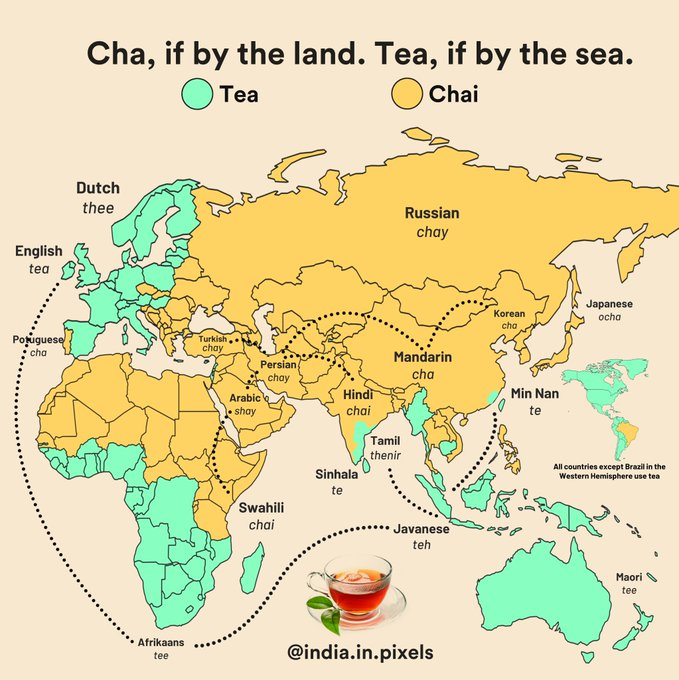
Tea is one of the most widely enjoyed beverages in the world, yet no two countries experience it in quite the same way. In some places, tea is a ceremony shaped by centuries of tradition. In others, it is a daily ritual woven into the rhythm of life. Across cultures, tea reflects identity, hospitality, and history—quietly connecting people through something as simple as a shared cup.
China
The story of tea begins in China, where it has been cultivated and consumed for thousands of years. According to legend, tea was discovered by the mythical emperor Shennong when leaves drifted into his boiling water. Over time, tea in China evolved into a refined practice rooted in mindfulness and intention. Traditional methods such as the Gongfu Tea Ceremony emphasize precision, patience, and appreciation of the tea’s evolving flavors across multiple infusions. The use of small clay teapots and delicate cups encourages drinkers to slow down and engage fully with the experience.
United Kingdom
As tea traveled westward, it took on a different character in the United Kingdom, where it became closely associated with social life and refinement. The tradition of afternoon tea, popularized in the 19th century by Anna, Duchess of Bedford, transformed tea into a structured and elegant occasion. Served with pastries, finger sandwiches, and fine China, tea became less about introspection and more about connection and conversation. Strong black teas, often paired with milk, remain a defining feature of British tea culture, reflecting both practicality and preference.
India
In India, tea culture is vibrant, bold, and deeply embedded in everyday life. Known locally as chai, tea is typically brewed with milk, sugar, and a blend of spices such as ginger, cardamom, and cinnamon. Introduced during British colonial rule, tea in India quickly evolved into something uniquely its own—strong, aromatic, and widely accessible. It is often served in small roadside stalls, poured between vessels to create a frothy texture, and shared in moments of conversation and connection. Unlike the quiet ritual of Chinese tea or the elegance of British tea, Indian tea culture is energetic and communal, reflecting the warmth and dynamism of its people.
Japan
Moving eastward to Japan, tea once again takes on a deeply philosophical dimension. The Japanese Tea Ceremony, or chanoyu, is a highly structured practice rooted in Zen Buddhism. Every movement—from preparing the matcha to serving it—is intentional, emphasizing harmony, respect, purity, and tranquility. The tools used, such as the bamboo whisk and ceramic bowls, are chosen with care, reflecting the aesthetic principle of simplicity.
Morocco
In Morocco, tea culture is synonymous with hospitality. Moroccan mint tea, made with green tea, fresh mint leaves, and generous amounts of sugar, is offered to guests as a gesture of welcome and respect. The preparation itself is a performance, often poured from a height into small glasses to create a light foam on top. Sharing tea in Morocco is not a solitary act—it is an expression of generosity and connection. Refusing tea can even be seen as impolite, highlighting how deeply it is woven into social customs.
Singapore
Closer to home, in Singapore, tea culture reflects a rich blend of influences shaped by its multicultural heritage. From traditional Chinese tea practices to Indian chai and the everyday rituals found in local kopitiams, tea in Singapore is diverse and constantly evolving. Drinks like “teh” and “teh tarik” are staples, enjoyed across generations in both casual and social settings. At the same time, there is a growing appreciation for artisanal and wellness-focused teas, as younger generations begin to rediscover tea as a form of self-care and intentional living. In Singapore, tea is both heritage and innovation—a reflection of the past and a reimagining of the present.
Across all these cultures, one thing remains constant: tea is never just about the drink itself. It is about the moment it creates, the people it brings together, and the stories it carries. Whether it is the quiet precision of a Chinese tea ceremony, the elegance of British afternoon tea, the boldness of Indian chai, the mindfulness of Japanese rituals, the warmth of Moroccan hospitality, or the diversity of Singaporean traditions, tea continues to evolve while holding onto its essence.