

How Rose Flower Tea Helps Relieve Menstrual Cramps
There are days each month when the body asks for a little more gentleness. A little more rest. A little more warmth. A little more care. Menstrual cramps are a deeply personal experience—sometimes a dull ache, sometimes a wave that interrupts your day. While everybody is different, there are rituals that can help you move through these moments with more ease. We believe in the quiet power of flowers. And among them, the rose stands as a symbol of softness, healing, and feminine strength....
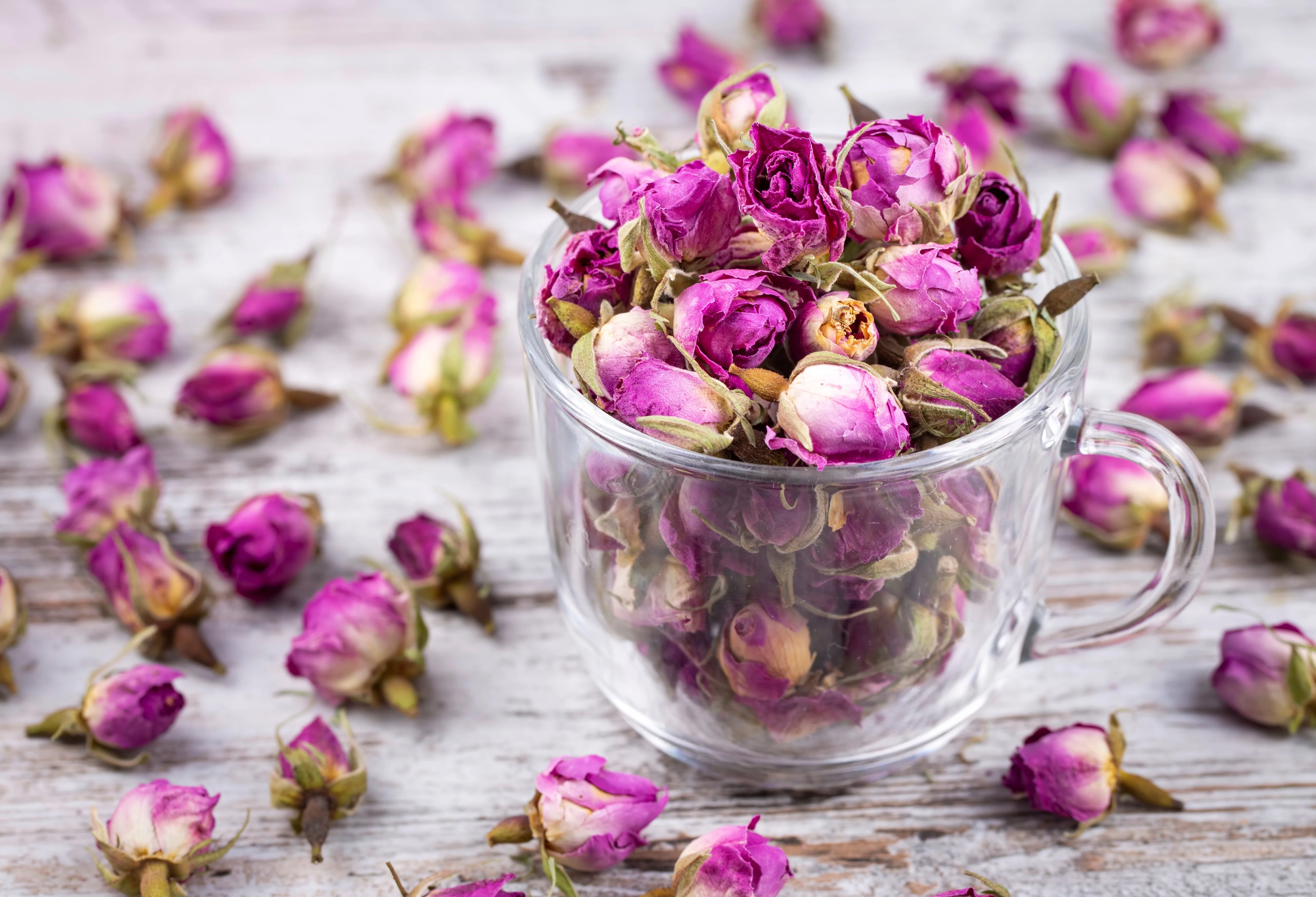
There are days each month when the body asks for a little more gentleness. A little more rest. A little more warmth. A little more care.
Menstrual cramps are a deeply personal experience—sometimes a dull ache, sometimes a wave that interrupts your day. While everybody is different, there are rituals that can help you move through these moments with more ease.
We believe in the quiet power of flowers. And among them, the rose stands as a symbol of softness, healing, and feminine strength. Let’s explore how a simple cup of rose flower tea can support you during your cycle.
The Nature of Menstrual Cramps
Menstrual cramps, also known as Dysmenorrhea, occur when the uterus contracts to shed its lining. These contractions are triggered by hormone-like substances called prostaglandins.
Higher levels of prostaglandins can lead to:
Stronger uterine contractions
Increased pain and inflammation
Lower back discomfort and fatigue
This is why your body often feels tense, sensitive, and in need of soothing support.
Why Rose Flower Tea?
Rose petals are more than just delicate and fragrant—they are rich in natural compounds that can help the body relax, reduce inflammation, and support emotional balance.
Here’s how they work gently with your body:
1. Natural Anti-Inflammatory Properties
Rose contains plant compounds like flavonoids and polyphenols that may help reduce inflammation in the body. Since menstrual cramps are partly caused by inflammation, drinking rose tea can help ease the intensity of discomfort over time.
What this means for you: A softer, less sharp cramping sensation
Research Insight: Studies on Rosa damascena suggest it has anti-inflammatory and analgesic (pain-relieving) effects (Boskabady et al., 2011).
2. Gentle Muscle Relaxation
The warmth of tea alone helps relax abdominal muscles—but rose enhances this effect. Its mild antispasmodic properties may help reduce uterine contractions, allowing your body to release tension more naturally.
What this means for you: Less tightening, more ease in the lower abdomen
3. Emotional Comfort & Hormonal Support
Your cycle isn’t just physical—it’s emotional too. Rose tea is known for its calming and mood-balancing properties. It may help:
Reduce irritability
Ease anxiety
Promote a sense of comfort and self-connection
What this means for you: A calmer, more grounded emotional state during your period
Research Insight: Research published in the Iranian Journal of Basic Medical Sciences highlights rose’s relaxing and anti-anxiety effects.
4. Supports Better Blood Circulation
Good circulation can help reduce stagnation in the pelvic area, which is often associated with cramping. Rose tea may gently support blood flow, helping your body move through your cycle more smoothly.
What this means for you: A feeling of lightness instead of heaviness
How to Create a Rose Tea Ritual During Your Cycle
This is where healing becomes more than physical—it becomes intentional.
Try this simple ritual:
Steep your rose tea in hot water (not boiling, around 80 to 85 degrees Celsius) for 3-5 minutes
Hold your cup close and inhale the aroma
Sip slowly, allowing warmth to settle into your body
Pair with a quiet moment—journal, rest, or simply breathe
Pétale pairing: Glow Inside Out, Good Hair and Skin
When to Drink Rose Tea for Best Results
For menstrual support, consistency matters more than intensity.
1–2 days before your cycle: to help prepare the body
During your period: to ease active cramps
At night: to relax both body and mind
A Gentle Note
While rose tea can support menstrual comfort, it is not a replacement for medical treatment—especially for severe or persistent pain. If cramps are intense or disruptive, it’s important to consult a healthcare professional.
A Blooming Reminder from Pétale Tea
Your cycle is not something to fight against—it’s something to move with. In these moments, you are allowed to soften. To rest. To choose rituals that hold you gently. And sometimes, healing begins with something as simple as a flower… steeped in warm water, waiting for you to pause.
References and Citations
Boskabady, M. H., et al. (2011). Pharmacological effects of Rosa damascena. Iranian Journal of Basic Medical Sciences.
Dawood, M. Y. (2006). Primary dysmenorrhea: advances in pathogenesis and management. Obstetrics & Gynecology.
McKenna, D. J., et al. (2002). Botanical medicines and women’s health. Alternative Therapies in Health and Medicine.