Tea Leaves & Flowers That Help Relieve Stress and Anxiety
In a world that rarely pauses, finding moments of stillness becomes a quiet act of self-care. Pétale Tea believes that every bloom tells a story—and some of the most beautiful stories are those that bring us back to ourselves. For centuries, tea has been more than just a beverage. It has been a ritual of grounding, a companion in solitude, and a gentle remedy for the restless mind. Today, modern science is catching up with ancient wisdom—confirming that certain tea leaves and flowers can...
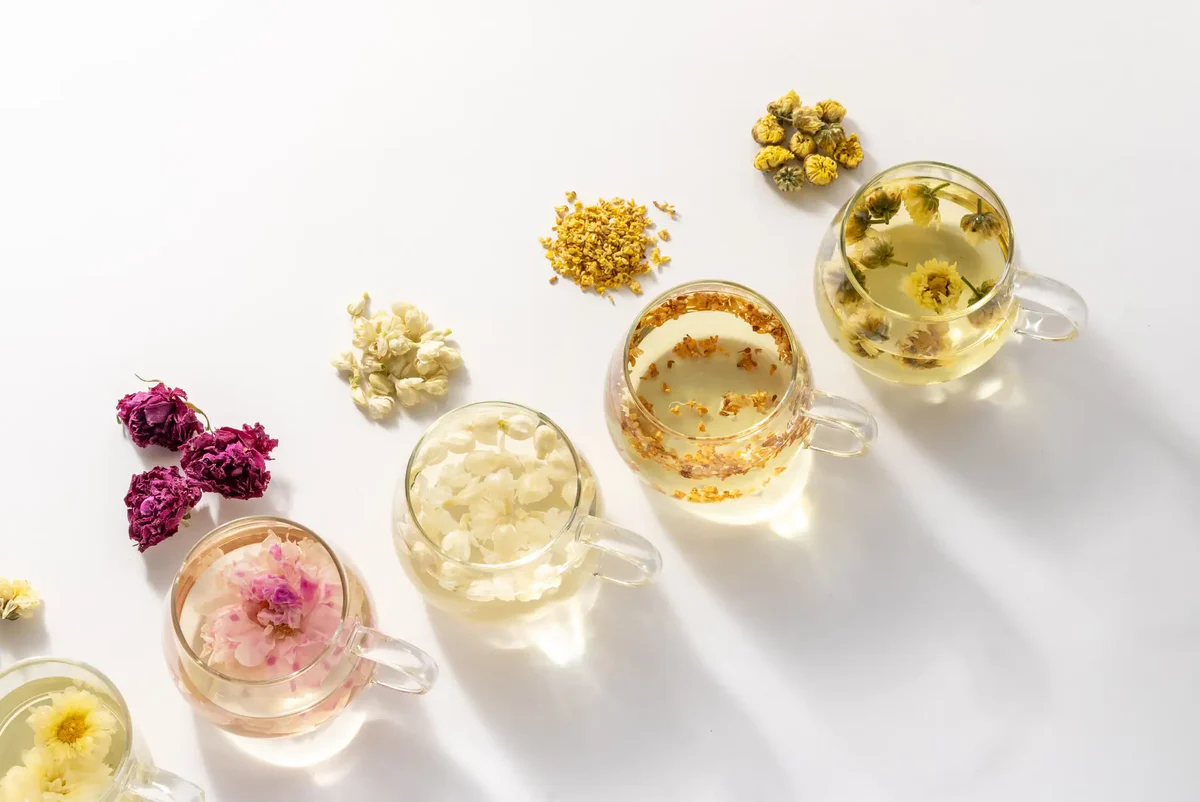
In a world that rarely pauses, finding moments of stillness becomes a quiet act of self-care. Pétale Tea believes that every bloom tells a story—and some of the most beautiful stories are those that bring us back to ourselves.
For centuries, tea has been more than just a beverage. It has been a ritual of grounding, a companion in solitude, and a gentle remedy for the restless mind. Today, modern science is catching up with ancient wisdom—confirming that certain tea leaves and flowers can naturally support stress relief and emotional balance.
Let’s explore the blooms that help you soften, slow down, and sip into serenity.
1. Chamomile — Nature’s Quiet Comfort
Soft, floral, and soothing—chamomile is often the first tea we reach for when the day feels heavy. Chamomile contains apigenin, an antioxidant that binds to receptors in the brain that promote relaxation and reduce insomnia. This makes it especially helpful for those struggling with anxiety or restless sleep.
Best for: Night rituals, calming the mind before bed
Pétale pairing: Night Cap Dreams
Research Insight: A study published in the Journal of Clinical Psychopharmacology found that chamomile extract significantly reduced symptoms of generalized anxiety disorder (Amsterdam et al., 2009).
2. Lavender — The Scent of Stillness
Lavender is known for its delicate aroma—but its benefits go far beyond fragrance. Drinking lavender tea may help regulate the nervous system, easing tension, headaches, and emotional fatigue. Its calming properties are often linked to reduced cortisol levels—the hormone responsible for stress.
Best for: Emotional overwhelm, anxious thoughts
Pétale pairing: Less Stress Today, Night Cap Dreams
Research Insight: A study in Evidence-Based Complementary and Alternative Medicine (2013) highlighted lavender’s effectiveness in reducing anxiety and improving mood.
3. Peppermint — A Breath of Relief
Refreshing and cooling, peppermint tea offers both physical and mental relaxation. Its menthol content helps relax muscles and improve oxygen flow, which can ease tension and mental fatigue. It’s also known to reduce symptoms of stress-related headaches.
Best for: Mental clarity, tension headaches
Pétale pairing: Digestive Harmony
Research Insight: Research in the International Journal of Neuroscience suggests peppermint aroma may enhance cognitive performance and reduce fatigue (Moss et al., 2008).
4. Rose — Gentle Emotional Healing
Rose tea is more than a romantic indulgence—it’s a soothing ally for emotional well-being.
Rich in antioxidants, rose petals may help reduce stress hormones and promote a sense of calm. Its soft floral profile encourages a mindful, slow drinking experience.
Best for: Emotional balance, self-love rituals
Pétale pairing: Glow Inside Out, Good Hair and Skin
Research Insight: A study in Iranian Journal of Basic Medical Sciences (2011) noted the relaxing and anti-anxiety effects of rose extracts.
5. Lemongrass — Lightness in a Cup
Bright and citrusy, lemongrass tea offers a refreshing escape from mental heaviness. It is known to help reduce anxiety by calming the nervous system and supporting digestion—often affected during periods of stress.
Best for: Light stress relief, mood uplift Pétale pairing: Less Stress Today, Calm Your Senses
Research Insight: A study published in the Journal of Agricultural and Food Chemistry (2011) found lemongrass contains compounds that may help reduce anxiety and inflammation.
6. Butterfly Pea — Calm Meets Clarity
Known for its mesmerizing blue hue, butterfly pea flower is a gentle adaptogen that supports mental clarity while easing stress. It has been traditionally used in Southeast Asia to reduce anxiety and improve brain function.
Best for: Focus with calm, creative rituals
Pétale pairing: Calm Your Senses, Detox Weekly
Research Insight: Research in Pharmacology Biochemistry and Behavior (2015) suggests butterfly pea may have anti-stress and cognitive-enhancing effects.
A Gentle Reminder from Pétale Tea
Stress relief doesn’t always require grand gestures. Sometimes, it begins with something as simple as steeping flowers in hot water… and giving yourself five minutes to pause. In every cup, there is warmth. In every bloom, a story. And in every sip, a chance to come home to yourself.
References & Citations
Amsterdam, J. D., Li, Y., Soeller, I., Rockwell, K., Mao, J. J., & Shults, J. (2009). Chamomile extract therapy of generalized anxiety disorder. Journal of Clinical Psychopharmacology.
Moss, M., Hewitt, S., Moss, L., & Wesnes, K. (2008). Modulation of cognitive performance by peppermint aroma. International Journal of Neuroscience.
Cavanagh, H. M. A., & Wilkinson, J. M. (2013). Lavender essential oil: a review. Evidence-Based Complementary and Alternative Medicine.
Boskabady, M. H., et al. (2011). Pharmacological effects of Rosa damascena. Iranian Journal of Basic Medical Sciences.
Shah, G., et al. (2011). Scientific basis for the therapeutic use of Cymbopogon citratus (lemongrass). Journal of Advanced Pharmaceutical Technology & Research.
Mukherjee, P. K., et al. (2015). Nootropic effects of Clitoria ternatea. Pharmacology Biochemistry and Behavior.